
Safeguarding at Brentford School for Girls
Every student at Brentford School for Girls has the right to feel safe in school, at home, online and in the community, and looking after that right is the job of every adult who works with them. This page explains who keeps students safe, what we do, how to raise a concern and where families can find help.
Our Approach
Safeguarding means protecting students from harm, whether it happens at home, in the community, in school or online, and helping them as soon as a difficulty appears rather than waiting for it to grow. It covers physical and mental health, healthy development, and growing up with safe, caring support. We follow the Department for Education's statutory guidance, Keeping Children Safe in Education, and Working Together to Safeguard Children, together with Hounslow local authority's child protection procedures.
Five principles shape everything we do
Student welfare comes first. It outweighs every other consideration.
Students are heard. They are listened to and taken seriously and are involved in decisions about their own lives in a way that suits their age and understanding.
Families are partners. We work with parents and carers wherever it is safe to do so.
Abuse and prejudice are not tolerated. This includes bullying, sexual harassment, misogyny, racism and discrimination, and abuse between students.
"It could happen here." Staff stay alert to the signs of harm and act on them straight away.
Meet the safeguarding team
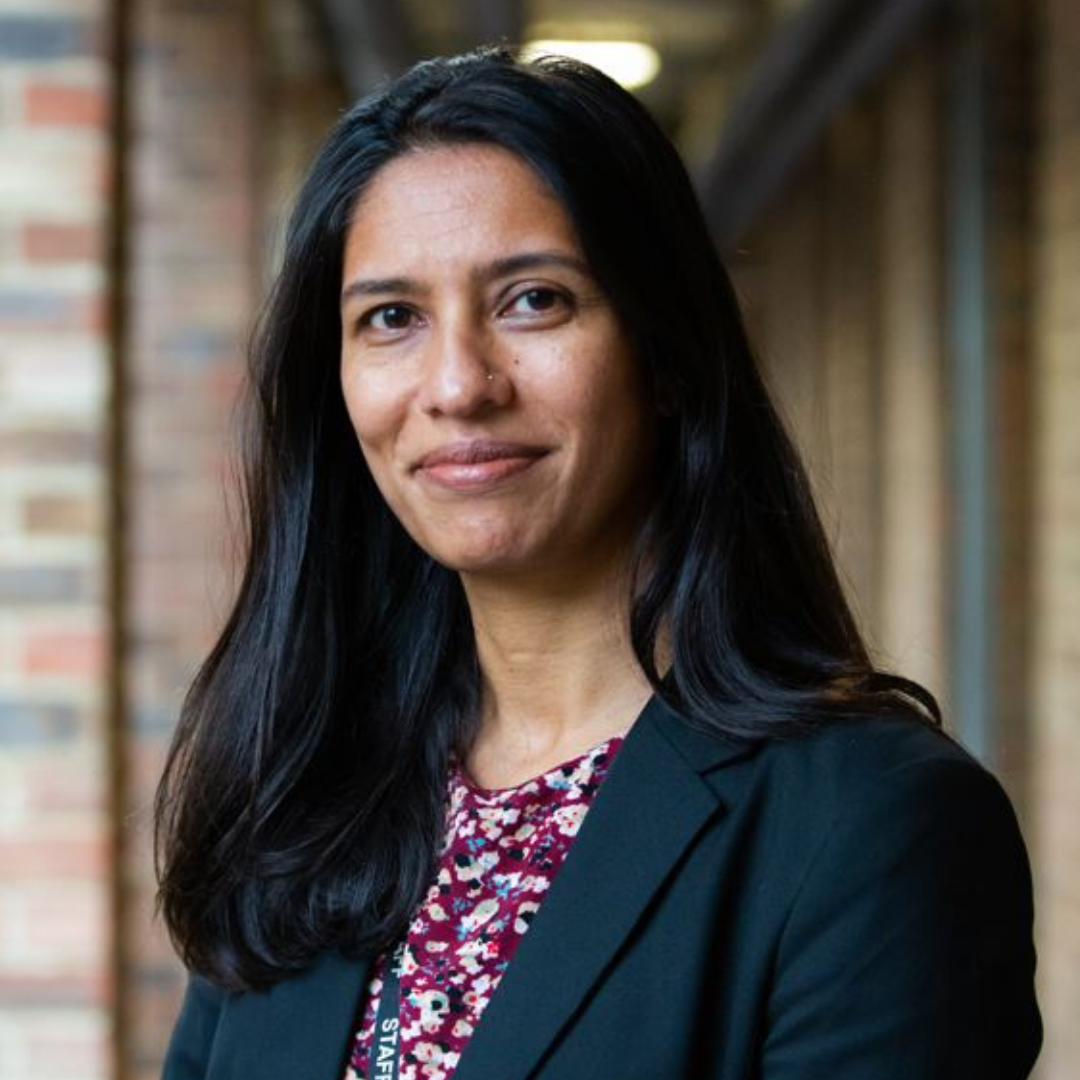
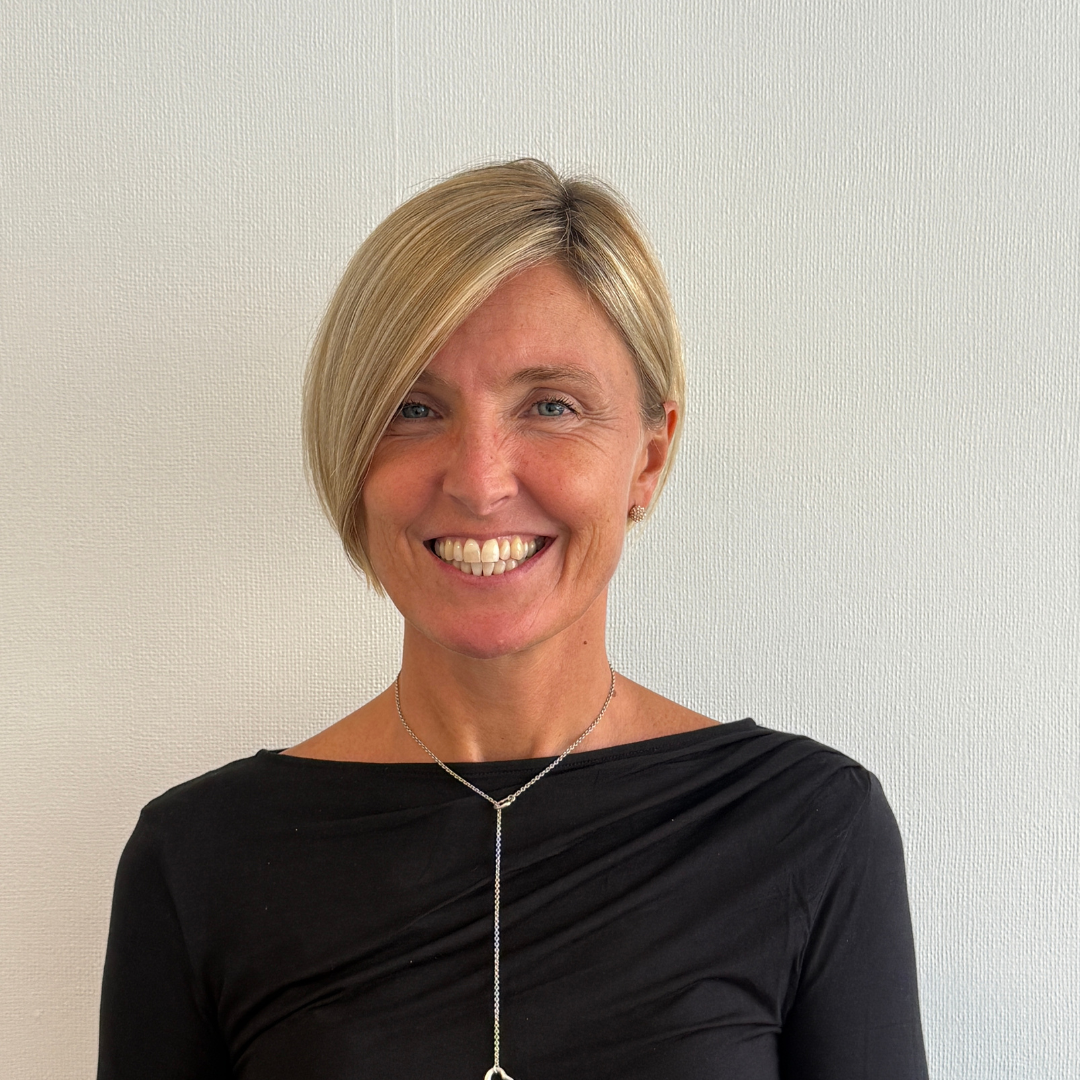
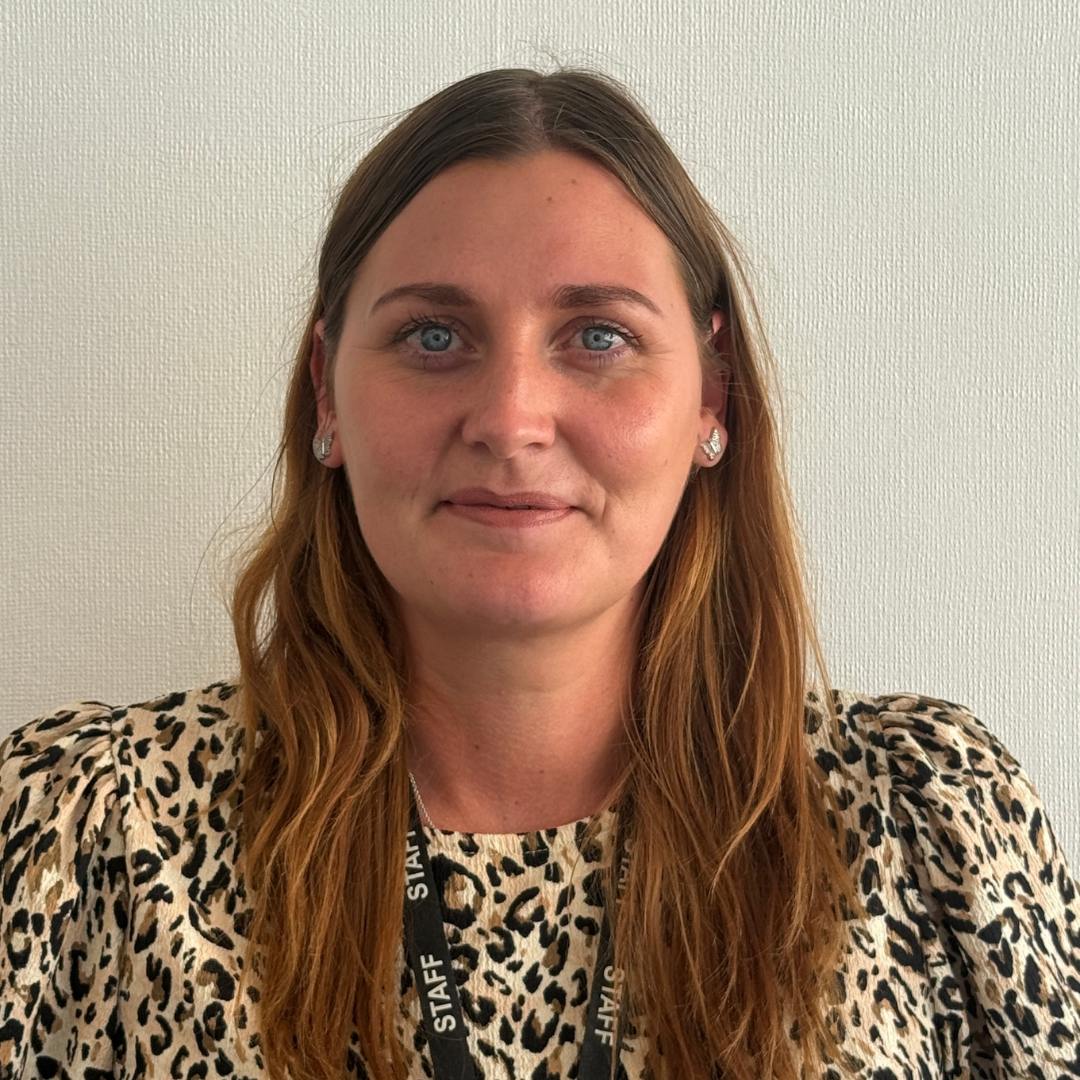
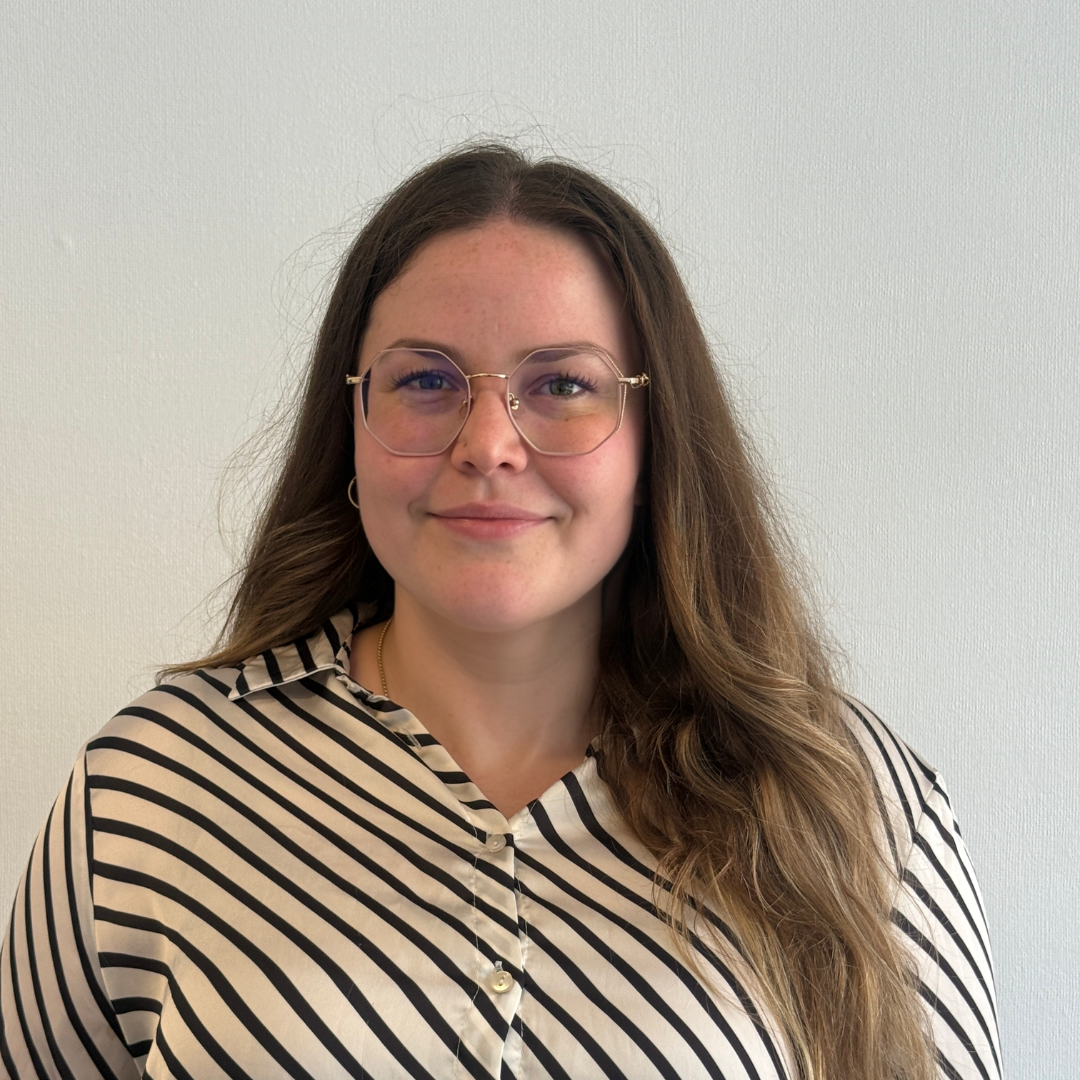
Students can speak to any adult in school they trust: a form tutor, a head of year, a teacher or a 10member of support staff. That adult will pass the concern to a member of the safeguarding team, for investigation. Photos and names of the team are displayed in classrooms and can be found in the table below.
Role |
Name |
How to contact |
| Designated Safeguarding Lead | Devesha Singh | dsingh@brentford.hounslow.sch.uk |
| Deputy DSL | Carlie Pennington | cpennington@brentford.hounslow.sch.uk |
| Deputy DSL | Kim Young | kyoung@brentford.hounslow.sch.uk |
| Deputy DSL | Gemma Timms | gtimms@brentford.hounslow.sch.uk |
| Student Wellbeing | Joanne Davies | jdavies@brentford.hounslow.sch.uk |
| Safeguarding governor | Terri George | tgeorge@brentford.hounslow.sch.uk |
| Headteacher (concerns about a member of staff) | Marais Leenders | mleenders@brentford.hounslow.sch.uk |
| Safeguarding Email | Safeguarding Team | safeguarding@brentford.hounslow.sch.uk |
| Attendance Team | Lisa Shah | attendance@brentford.hounslow.sch.uk |
Raising a concern about a child
If anyone is in immediate danger, call the police on 999 without delay. Any student, parent, carer, governor and member of the community can raise a worry or concern about a child. You do not need proof, and you do not need to be sure. Tell us what you have seen or heard, and we will investigate it.
Students: talk to any trusted member of staff or use the school's confidential reporting route at Safeguarding@brentford.hounslow.sch.uk
Parents and carers: telephone or email the safeguarding team and say it is a safeguarding matter or speak to your child's head of year. (telephone 0208 8474281)
Anyone who thinks a child is at risk of serious harm can also contact the local authority's children's services directly.
Phone: 020 8583 6600 (select option 2, then option 3 for child protection/social care; open Monday to Friday, 9:00 am to 5:00 pm)
Email: childrensocialcare@hounslow.gov.uk
Out-of-Hours Duty Social Worker: 020 8583 2222 (after 5:00 pm on weekdays, or on weekends/bank holidays)
Emergency: Call 999 immediately if a child is in immediate danger or facing a serious crime
A safe school and trusted staff
Safer recruitment. To promote a safe environment for students our Safer Recruitment policy includes all checks on staff and regular volunteers suitability, including Disclosure and Barring Service checks, in accordance with Keeping Children Safe in Education (KCSIE) 2026 legislation.
Training. All staff receive safeguarding and child protection training when they join as part of their induction, annual refresher and regular updates during the year, and as part of the KCSIE 2026, all staff are expected to read Part 1 of the guidance. The safeguarding team has additional specialist training.
Visitors. Visitors report to reception, show identification, sign in and wear a badge, and are escorted around the site if they do not comply with the necessary checks needed to be on the school site.
Attendance. We follow up absences promptly, and we act on children who are missing from education, because a change in attendance can be an early warning sign.
Oversight. A governor with responsibility for safeguarding holds the school to account, and safeguarding leads meet regularly to review local and national issues that may affect students.